Worldwide, there are several hundred cultivars of mango. Depending on the cultivar, mango fruit varies in size, shape, sweetness, skin color, and flesh color, which may be pale yellow, gold, green, or orange. Do you know how many of those are found in Germany? NONE. This delicious stone fruit known for its sweet, juicy flavor & vibrant color is often referred to as the “king of fruits”. This nickname is not only because of their delicious taste but algo due to their popularity & significance in many cultures around the world – tropical world, that is.
I think I am not alone when I confirm that mangoes are not just a delectable tropical fruit, they embody a world of flavor, history, and cultural significance. From their ancient origins in South Asia to their widespread cultivation across the globe, mangoes have captured the hearts and palates of people across cultures and generations. The vibrant colors, succulent flesh, and irresistible sweetness of mangoes have made them a favorite ingredient in a multitude of culinary creations, from refreshing smoothies to exotic salsas and decadent desserts. Their versatility knows no bounds, adding a burst of tropical delight to both sweet and savory dishes.
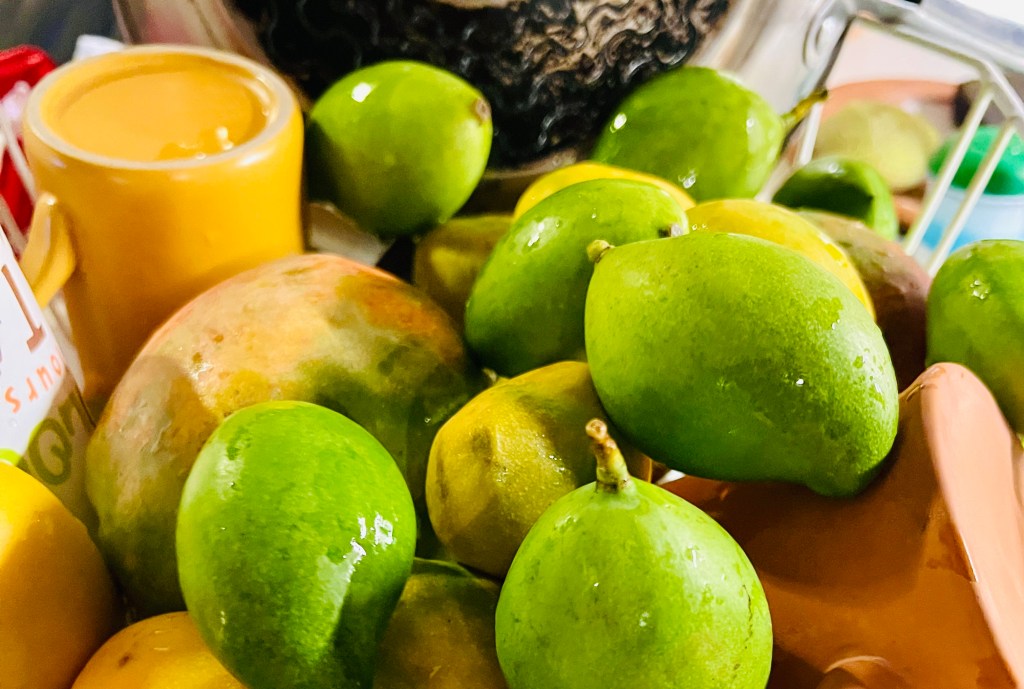
The mango fruit is believed to have originated in southern Asia, particularly in eastern India, Bangladesh, and the Andaman Islands. From tropical Asia, mangoes were introduced to East Africa by Arab & Persian traders in the ninth to tenth centuries. It was spread further into other areas around the world during the Colonial Era. The Portuguese Empire spread the mango from their colony in Goa to East & West Africa, and from West Africa, they introduced it to Brazil from the 16th to 17th centuries. From there it spread on northwards to the Caribbean & eastern Mexico by the mid 18th century, where since then has been a beloved fruit to us all.
Who never climbed a mango tree in their childhood? I think in most tropical countries around the world, mango trees in the backyard are a kids favorite place to hang out. The hundreds of mango varieties never cease to impress me, each with its own unique characteristics, flavor profiles, and ripening times. Some popular varieties include Alphonso, Tommy Atkins – the world dominant seedling of Haden – Kent, & Keitt…really the list is intense!
Mangoes are not only delicious but also offer several health benefits. They are a good source of vitamins A & C, as well as dietary fiber. They also contain antioxidants and other beneficial compounds that can support immune function and overall well-being. Mangoes also hold a special place in several countries´ cultures and is often designated as their national fruit. for example, mango is the national fruit of India, Pakistan, & the Philippines.
More importantly, mangoes are incredibly versatile & can be used in various culinary preparations. They are commonly used in both sweet & savory dishes, including smoothies, salads, salsas, chutneys, desserts, and even in main courses in many cuisines. Sour, unripe mangoes are used in chutneys, pickles, daals and other side dishes in Bengali cuisine. A summer drink called ´aam panna´ is made with mangoes. Mango pulp made into jelly or cooked with red gram dhal and green chilies may be served with cooked rice.
Mango lassi is popular throughout South Asia, prepared by mixing ripe mangoes or mango pulp with buttermilk & sugar – a favorite in Asian restaurants around town! In America, mango is used to make juices, smoothies, ice cream, fruit bars, raspados, aguas frescas, and sweet chili sauce, or mixed with chamoy, a sweet & spicy chili paste. It is quite popular on a stick dipped in hot chili powder & salt or as a main ingredient in fresh fruit combinations. In Central America, mango is either eaten green, mixed with salt, vinegar, black pepper, & hot sauce, or ripe in various forms.
Beyond their culinary appeal, mangoes hold a special place in traditions and customs, often symbolizing love, abundance, and prosperity. They have become the subject of folklore, inspiring tales of mischievous monkeys, ingenious contraptions, and victorious villagers. Such stories remind us of the enchanting allure and joyful spirit that mangoes bring. So, the next time you bite into a juicy, golden mango, take a moment to savor not only its lusciousness but also the rich tapestry of history, culture, and delight it represents. Embrace the tropical symphony that dances upon your palate and let the essence of mango transport you to a world of sunshine, exotic flavors, and endless possibilities.
 the guten appetit