Imagine stepping into a city where every corner whispers stories of ancient scholars, golden stone buildings glow in the sunlight, and plazas buzz with life. Welcome to Salamanca, Spain’s hidden gem & a living postcard from another era. This enchanting city isn’t just famous for being home to one of the oldest universities in the world—it’s a place where history, art, and culture collide in the most magical way.
I need to tell you all about it! Picture this: wandering through cobblestone streets, gazing up at intricate carvings on centuries-old cathedrals, sipping coffee in the breathtaking Plaza Mayor, and maybe even hunting for the famous astronaut carved into the cathedral walls. (Yes, really!) Whether you’re a history buff, an architecture enthusiast, or just someone who loves soaking up beautiful vibes, Salamanca has a little something for everyone. So, grab your walking shoes and your sense of adventure, because this city is ready to sweep you off your feet—one historic building at a time!
Salamanca holds a significant place in Spanish history, culture, & intellectual life, with its importance spanning various fields. Founded in 1218, the University of Salamanca is one of the oldest & most prestigious universities in Europe. During Spain’s Golden Age, it was a center for learning & debate, influencing disciplines like theology, law, & philosophy. The university’s scholars helped shape the intellectual foundations of the Spanish-speaking world, & it remains a vital academic institution today. Salamanca was really instrumental in the standardization and development of the Spanish language, & the university played a key role in forming the grammatical rules of Castilian Spanish.

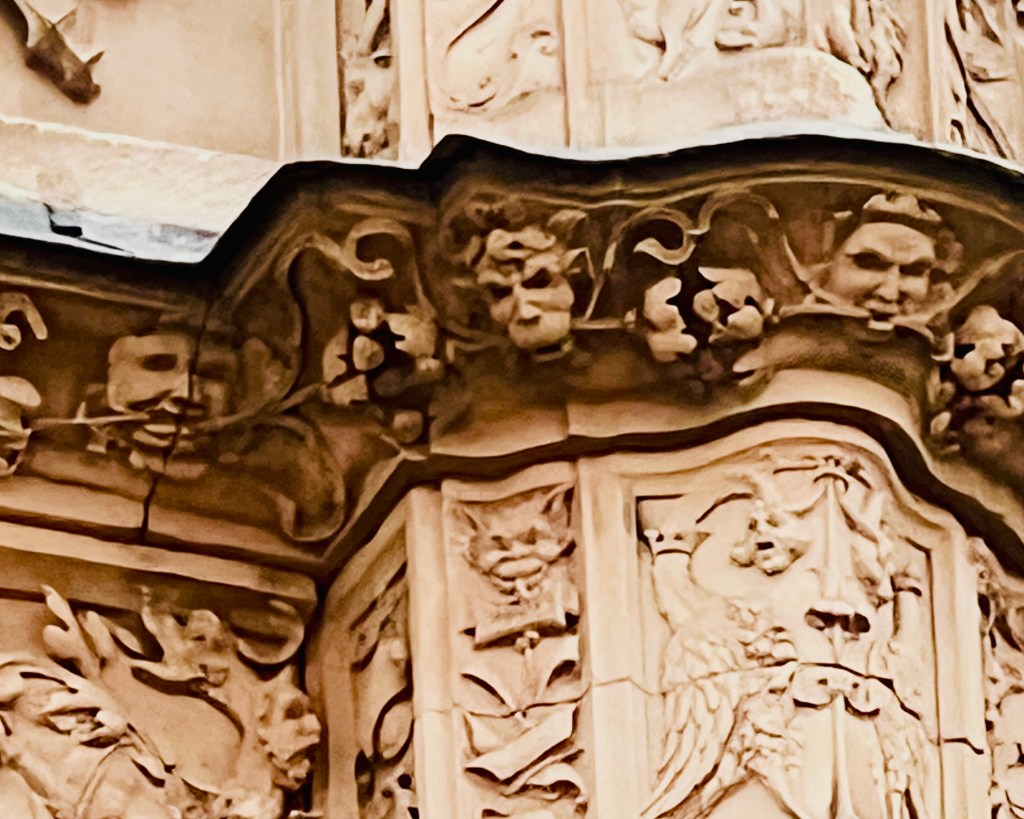
Known for its stunning Plateresque architecture, including its famous carved façade, the university has been a center of intellectual and cultural life for centuries. I can’t mention it enough, how it played a key role in the development of the Spanish language & hosted influential scholars such as Miguel de Unamuno & Francisco de Vitoria. The university continues to be a major hub for education and research, attracting students from around the world.
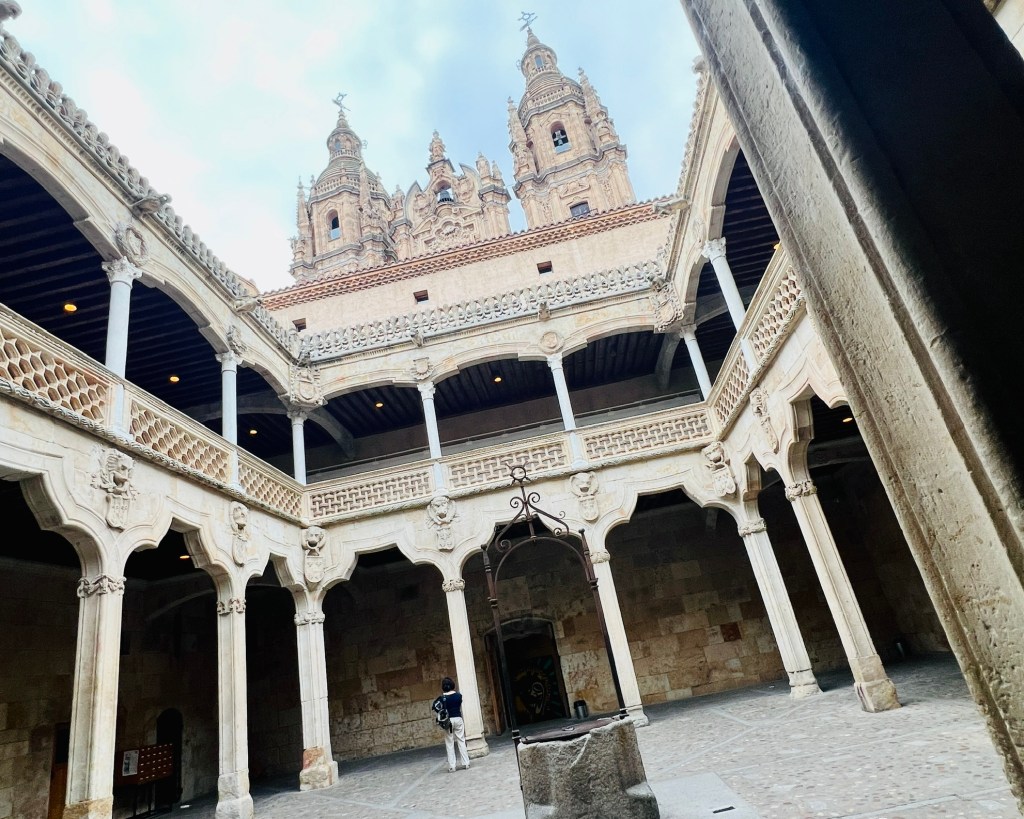
The Casa de las Conchas, or House of Shells is one of Salamanca’s most iconic buildings, known for its distinctive façade adorned with over 300 carved stone shells. Built in the late 15th century, the structure blends Gothic & Renaissance architectural styles & was originally a palace for Rodrigo Maldonado de Talavera, a knight of the Order of Santiago. The shells, a symbol of the order, give the building its name. Today, the Casa de las Conchas serves as a public library, but visitors are also drawn to its ornate courtyard & beautiful mix of architectural elements, making it a must-see landmark in Salamanca.
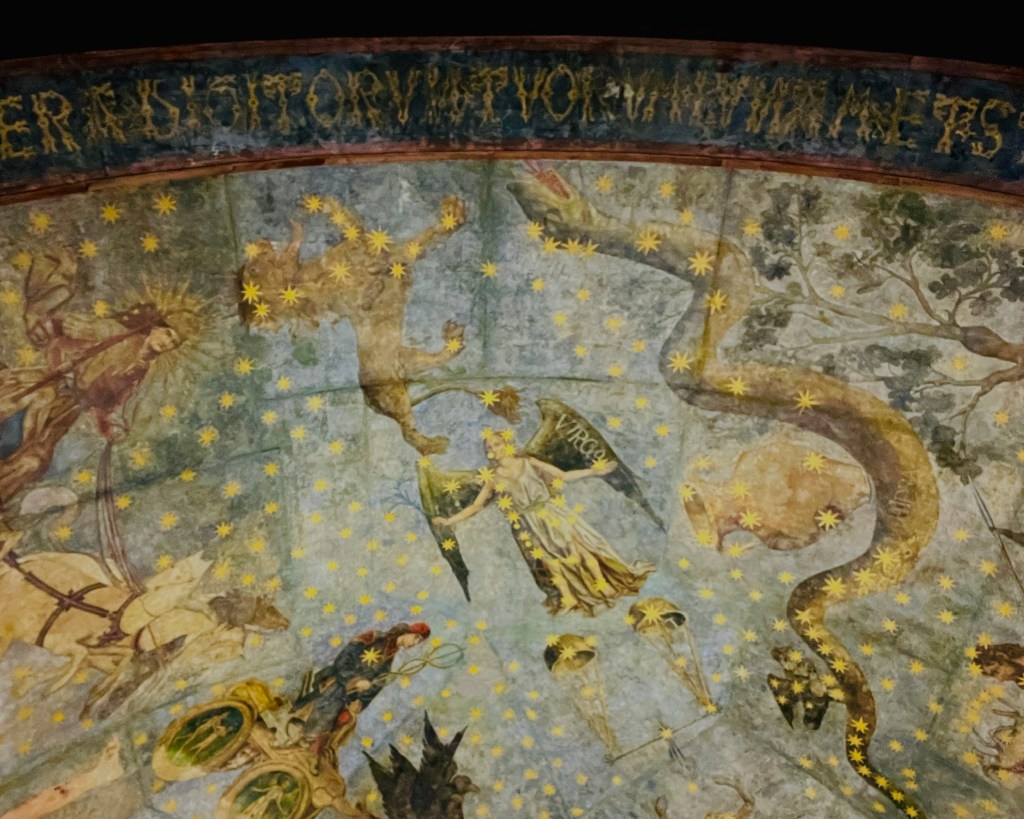
I absolutely loved the entire city & its enchanted hidden gems. However, one absolutely stole my heart before I even got there. I knew I had to see it. El Cielo de Salamanca – The Sky of Salamanca – is a beautiful fresco painting located in the University of Salamanca’s Escuelas Mayores building, within what used to be the university’s old library. Painted in the late 15th century by Fernando Gallego, the fresco depicts a portion of the celestial sphere, representing constellations, zodiac signs, and mythological figures. The artwork is a stunning blend of science & art, reflecting the university’s medieval interest in astronomy & astrology. The deep blue background and intricate detailing create an ethereal atmosphere, symbolizing the quest for knowledge and understanding of the cosmos during the Renaissance. Though only part of the original painting remains, it is still an important piece of Salamanca’s artistic and academic heritage.
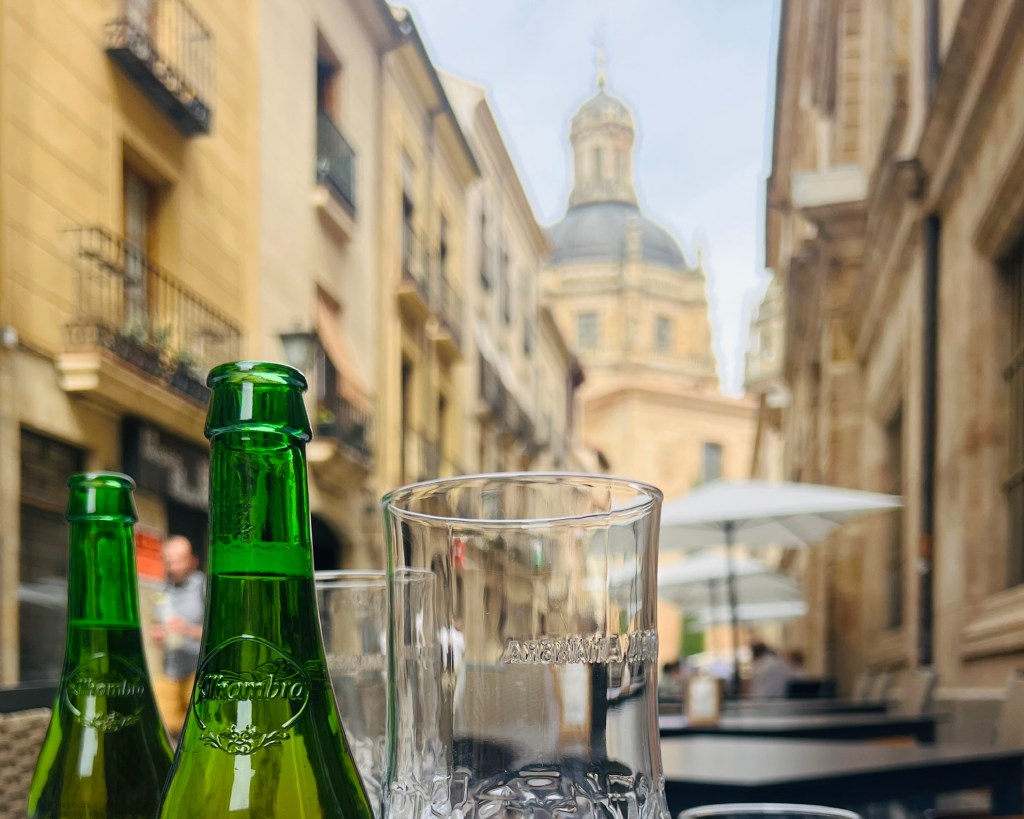
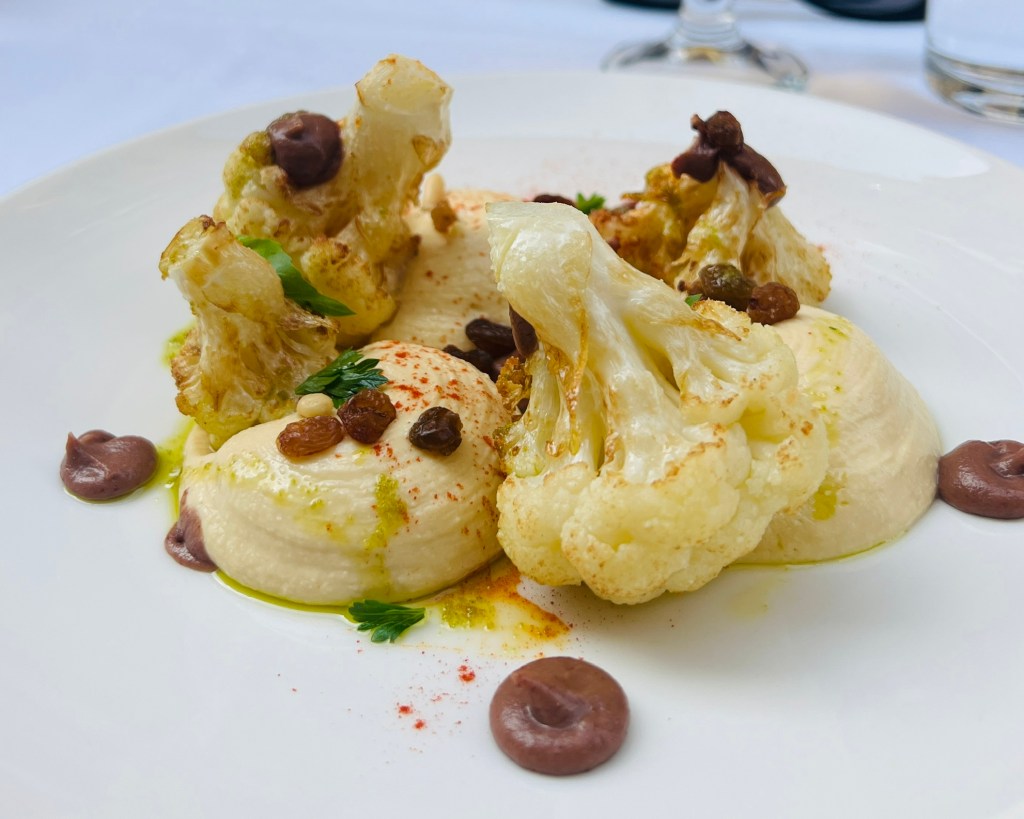
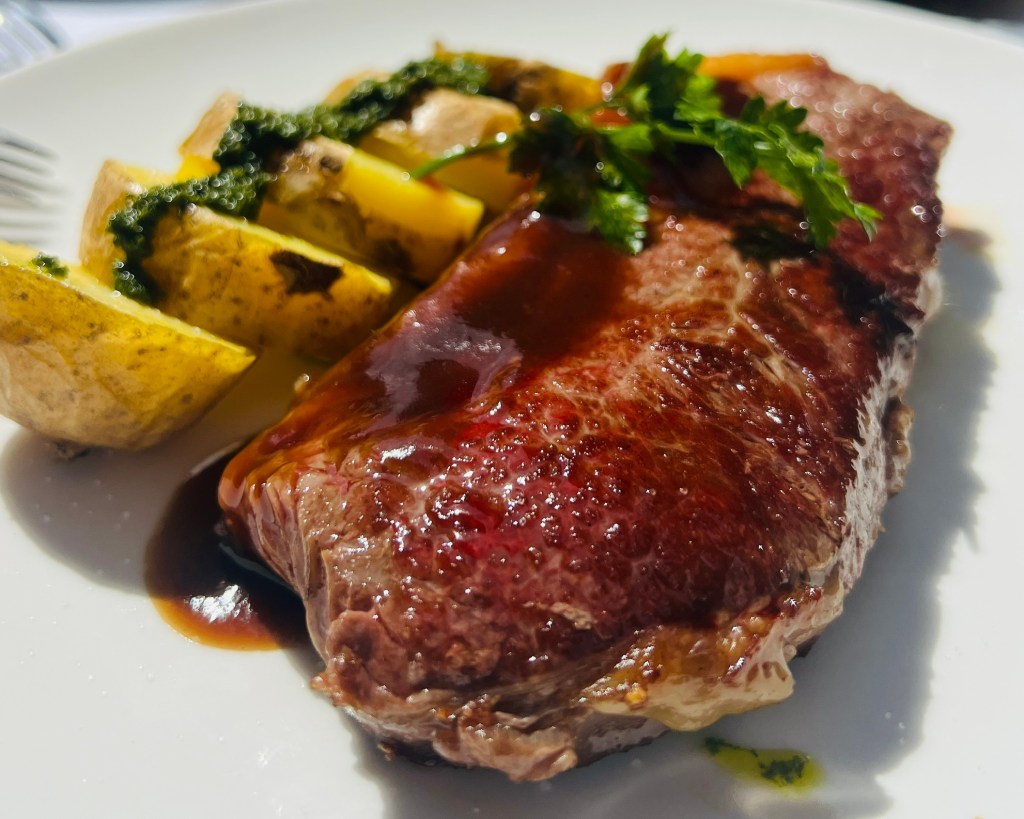
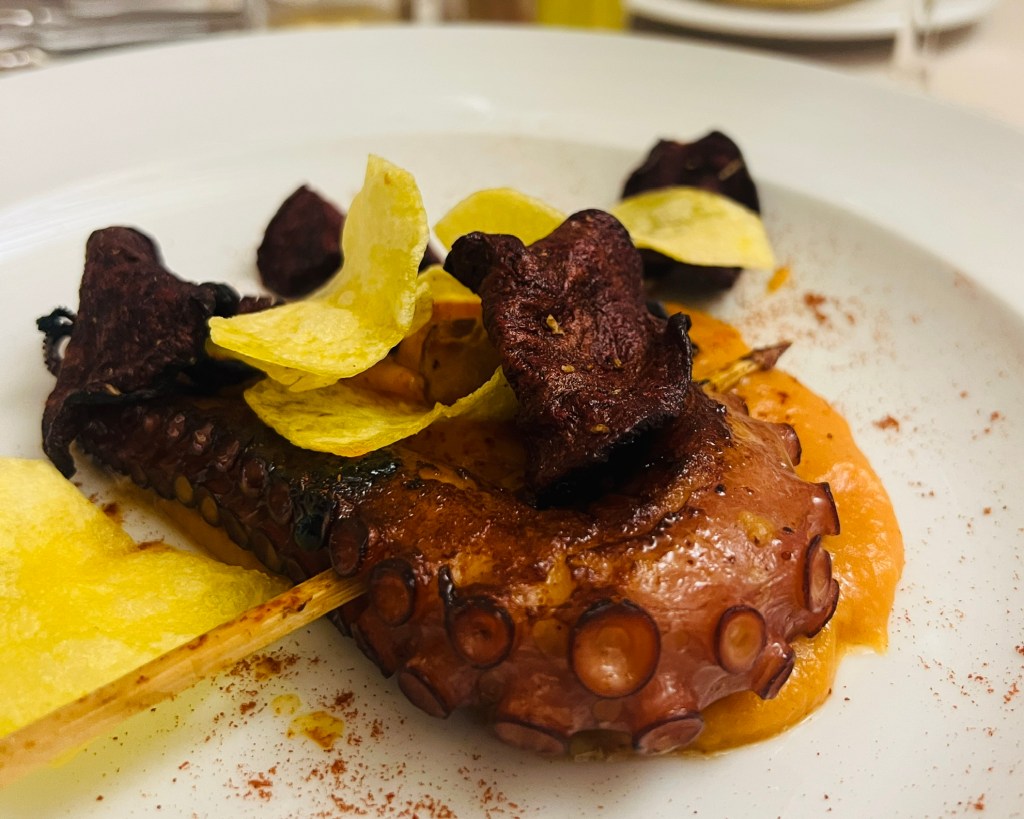
After walking around town for some hours, it was time to indulge on some delicious Spanish delicacies. Salamanca’s cuisine reflects its Castilian roots, offering hearty and traditional dishes that make use of local ingredients. The region is known for its rustic flavors, cured meats, and simple, yet flavorful preparations. Salamanca’s culinary traditions are rich & varied, with an emphasis on quality local ingredients and time-honored recipes that have been passed down through generations. We didn’t have to go far, right on our own bustling Calle Libreros, we found the Michelin renowned Taberna de Libreros, a popular and cozy spot in Salamanca known for its lively atmosphere & traditional Spanish tapas…a favorite among locals and tourists alike.
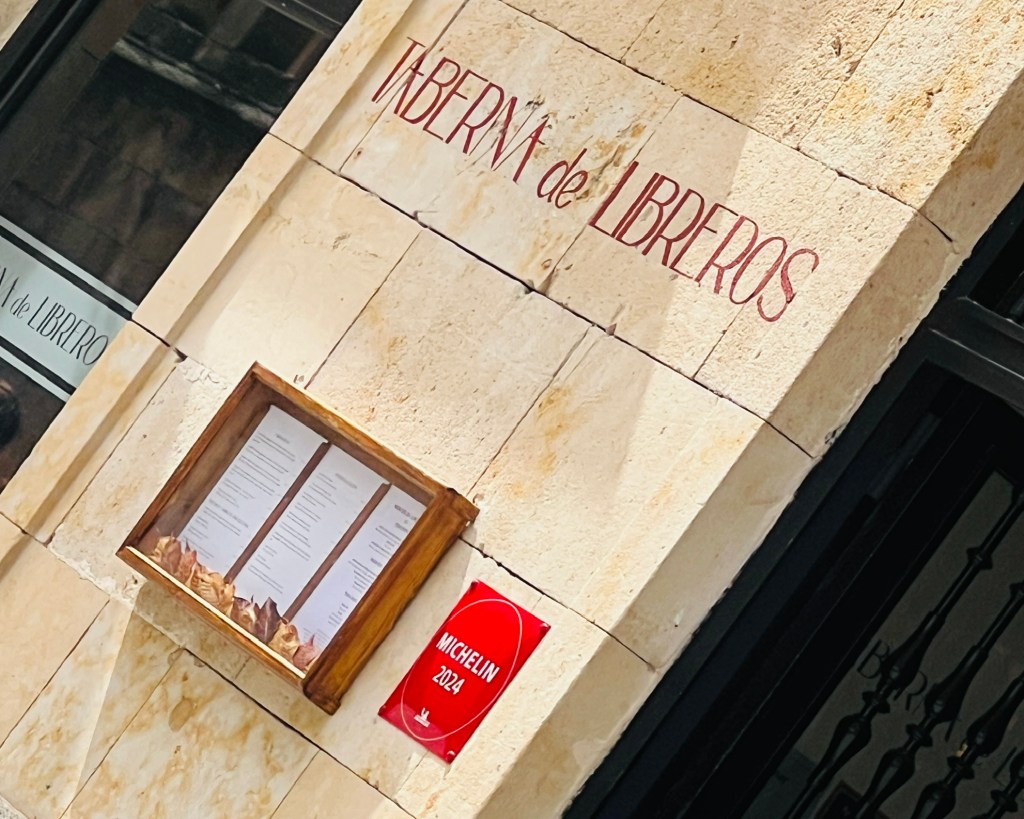

The tavern offers a wide range of classic Spanish tapas, including croquetas, tortilla de patatas, jamón ibérico, and patatas bravas. Being in a university area, the prices are affordable, making it a popular choice for students. The tavern has a laid-back, traditional Spanish vibe with simple, rustic decor. It’s a cozy space, perfect for enjoying a casual meal or a few drinks with friends. The tavern offers a variety of local wines & beers, making it an ideal spot to experience some of the region’s finest beverages. Whether you’re stopping by for a quick tapa or a longer meal, Taberna de Libreros offers a charming and authentic Salamanca dining experience in a really relaxed setting.
Miguel de Cervantes, the renowned author of Don Quijote, is closely associated with Salamanca, even though there is no direct evidence of him having studied or lived there for an extended period. However, the influence of Salamanca’s intellectual & cultural environment on Cervantes’ work is significant, given the city’s prominence as a center of learning during his lifetime. Cervantes likely visited Salamanca, as it was one of the most important academic institutions of the time, attracting writers, philosophers, & thinkers. The city’s scholarly atmosphere would have influenced his literary works. Some scholars believe that the university’s intellectual debates & social dynamics may have inspired certain elements in Don Quijote & his other works. Salamanca is mentioned in Cervantes’ works, most notably in La Tía Fingida (The Pretended Aunt), a satirical novella. In the story, Salamanca is portrayed as a city where young men come to study but sometimes engage in mischievous behavior—a theme reflecting both the city’s academic reputation and its lively student culture.

There are tributes to Cervantes throughout the city, including plaques & references in various cultural sites. His literary presence looms large in Salamanca, particularly in connection with the university & its rich tradition of Spanish literature. The city celebrates Cervantes’ contributions to Spanish culture, often including his works in literary events & festivals. While Cervantes may not have had a long-term residence in Salamanca, the city’s intellectual spirit & literary tradition were undoubtedly part of the cultural landscape that shaped his writing and legacy.
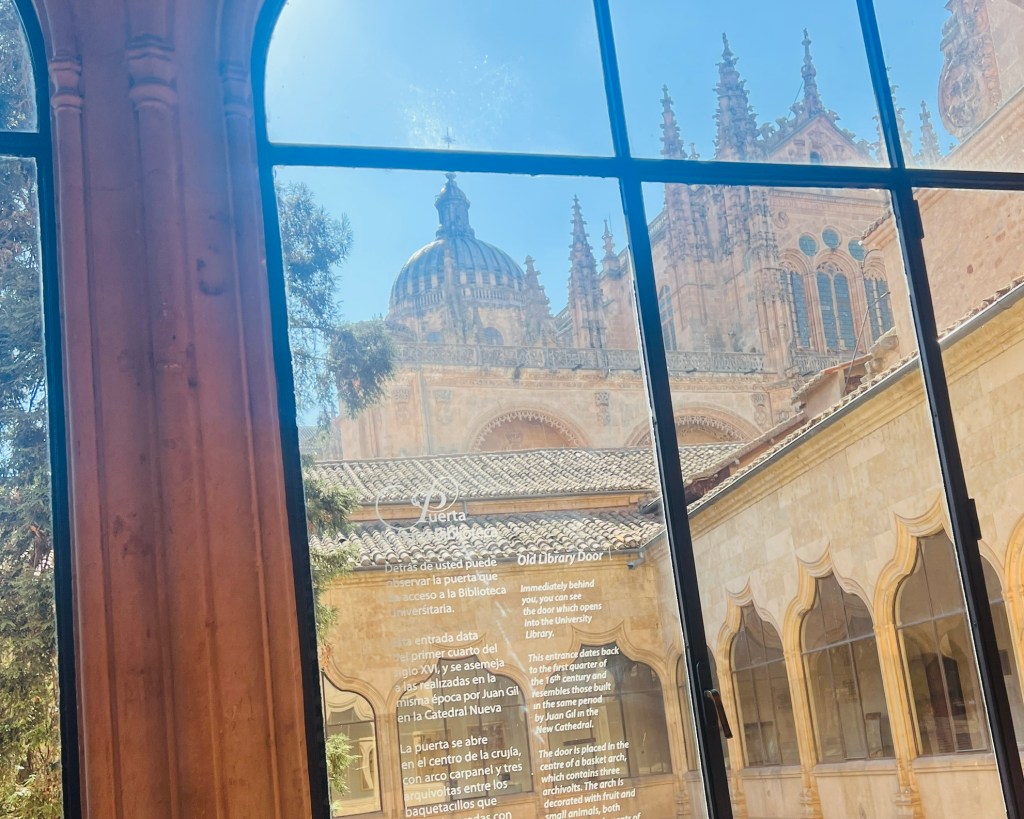
The famous & amazing Cathedrals of Salamanca are two adjoining cathedrals, the Old Cathedral (Catedral Vieja) & the New Cathedral (Catedral Nueva), which together form one of the city’s most iconic landmarks. The unique pairing of the Old & New Cathedrals is rare in Europe, and they are connected in a way that allows visitors to experience both the medieval & Renaissance religious architecture side by side. The Cathedrals are central to the city’s cultural & religious history, offering an architectural journey through several centuries & a must-see for anyone visiting the city. Considering architects were along for the trip, this was an hours-long visit!
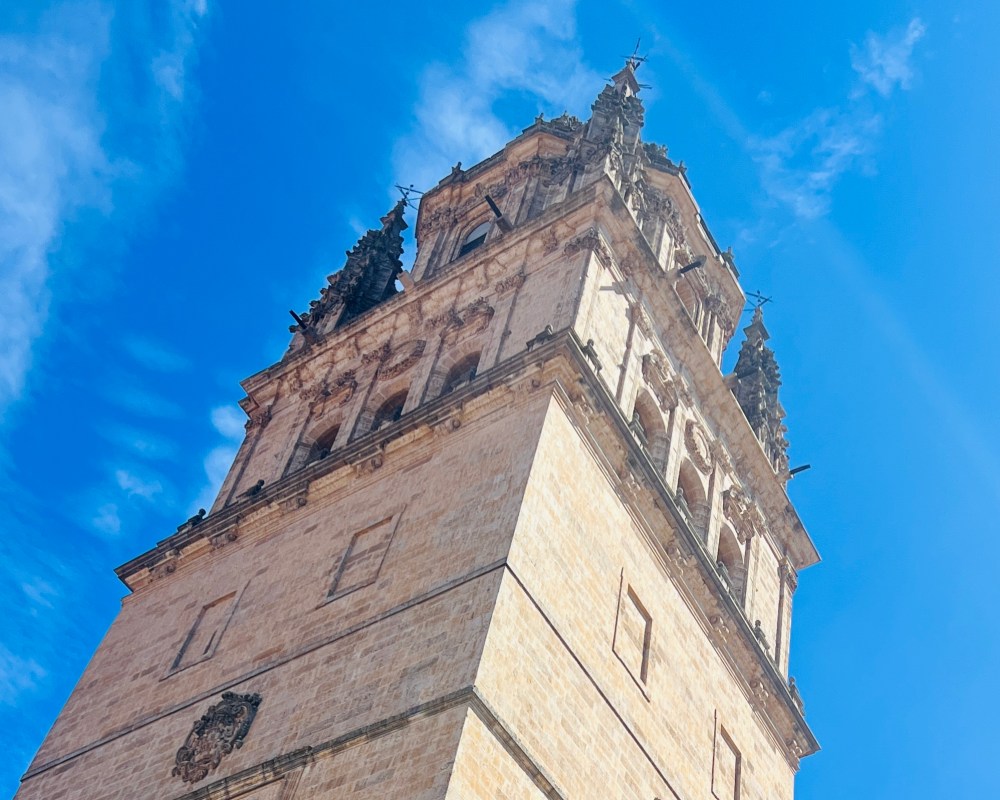
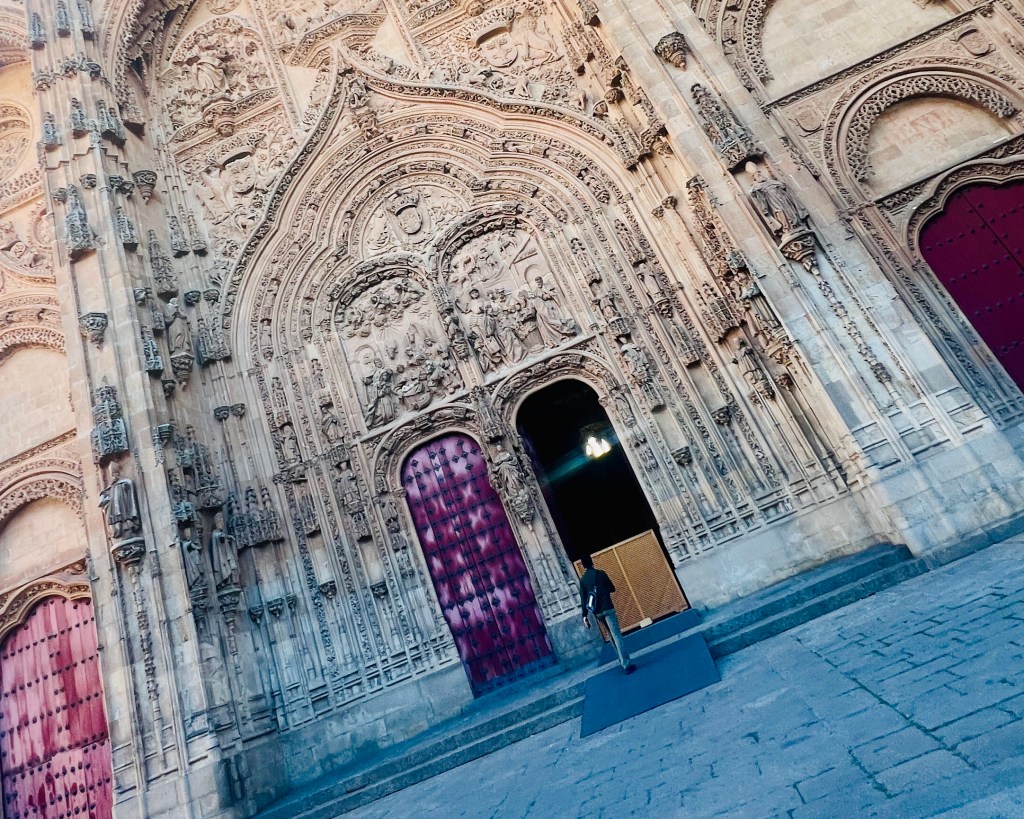
Built between the 12th & 14th centuries, the Old Cathedral is primarily Romanesque in style, with some Gothic elements. The cathedral’s highlight is its grand altarpiece, an elaborate Gothic masterpiece by Nicolás Florentino, depicting scenes from the life of Jesus & the Virgin Mary. A stunning Romanesque chapel inside the Old Cathedral, notable for its intricate stone carvings & frescoes. The Old Cathedral has a serene, intimate feel, offering a glimpse into the medieval religious architecture of Spain.

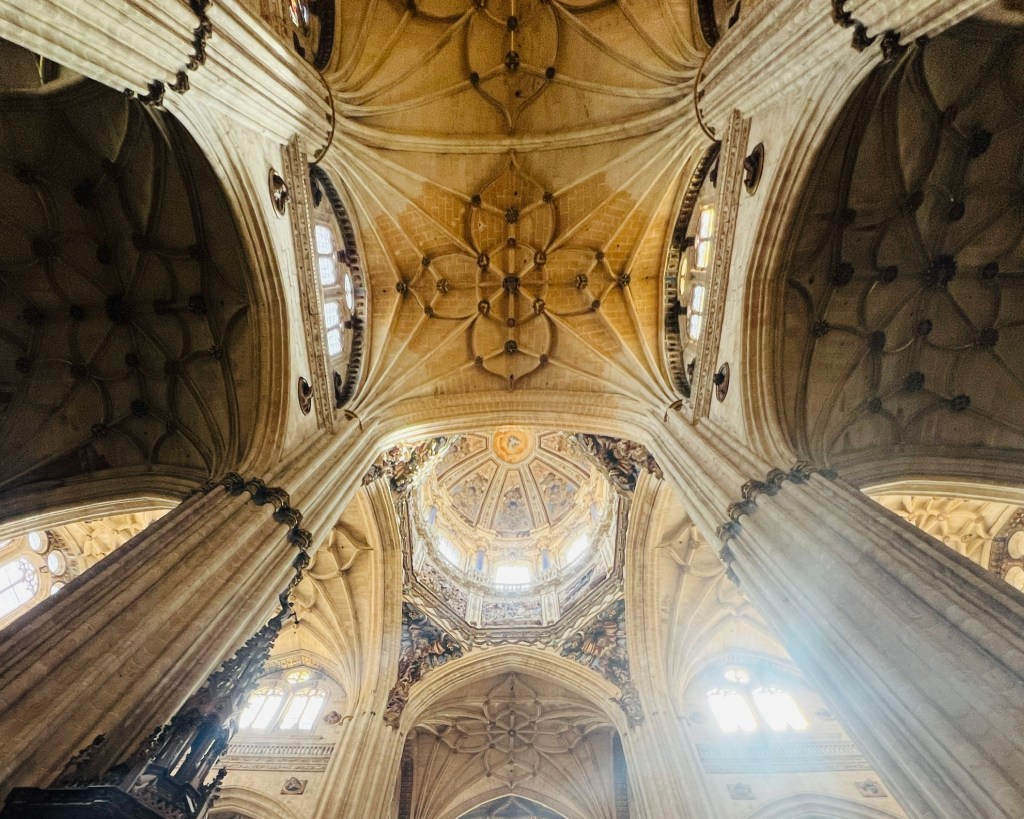
The Catedral Nueva de Salamanca (New Cathedral of Salamanca) is a stunning example of Gothic & Baroque architecture, serving as one of the city’s most iconic landmarks. The New Cathedral was built between the 16th and 18th centuries, with the first stone laid in 1513. It was completed in 1733, taking over 200 years to finish. The cathedral was built to accommodate the growing population of Salamanca & the increased importance of the city as a cultural & academic center. The cathedral’s design was influenced by prominent architects of the time, including Juan de Ávila and Alonso de Covarrubias.

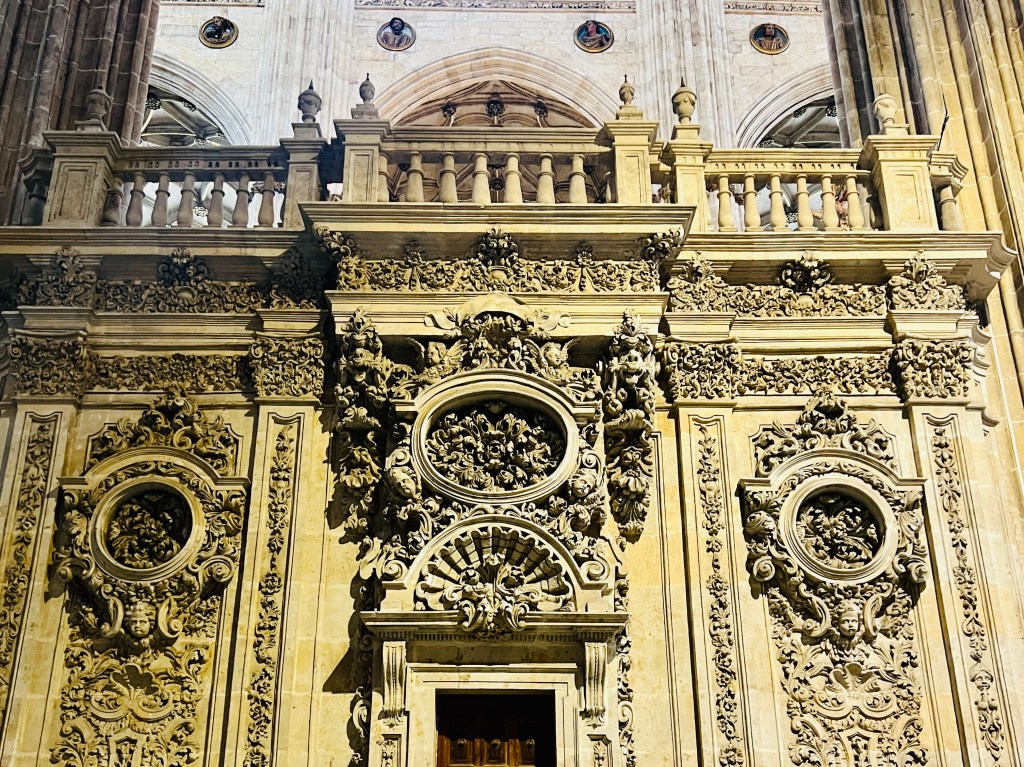
Not only is the main façade adorned with intricate carvings, including biblical figures & saints, but it beautifully compliments the elaborate interior decoration. Inside, the cathedral boasts a grand nave with impressive vaulted ceilings, richly decorated chapels, and stunning stained glass windows that illuminate the space with colorful light. The high altar is a Baroque masterpiece, featuring intricate carvings & a striking altarpiece that depicts scenes from the life of Christ.
The New Cathedral, along with the adjacent Old Cathedral, is a UNESCO World Heritage Site. It symbolizes the rich religious and academic history of Salamanca, attracting scholars, tourists, and pilgrims alike. The cathedral continues to serve as an active place of worship, hosting religious services, special events, & ceremonies throughout the year. We were there to visit for the morning mass service & will forever remain a special memory in my heart.

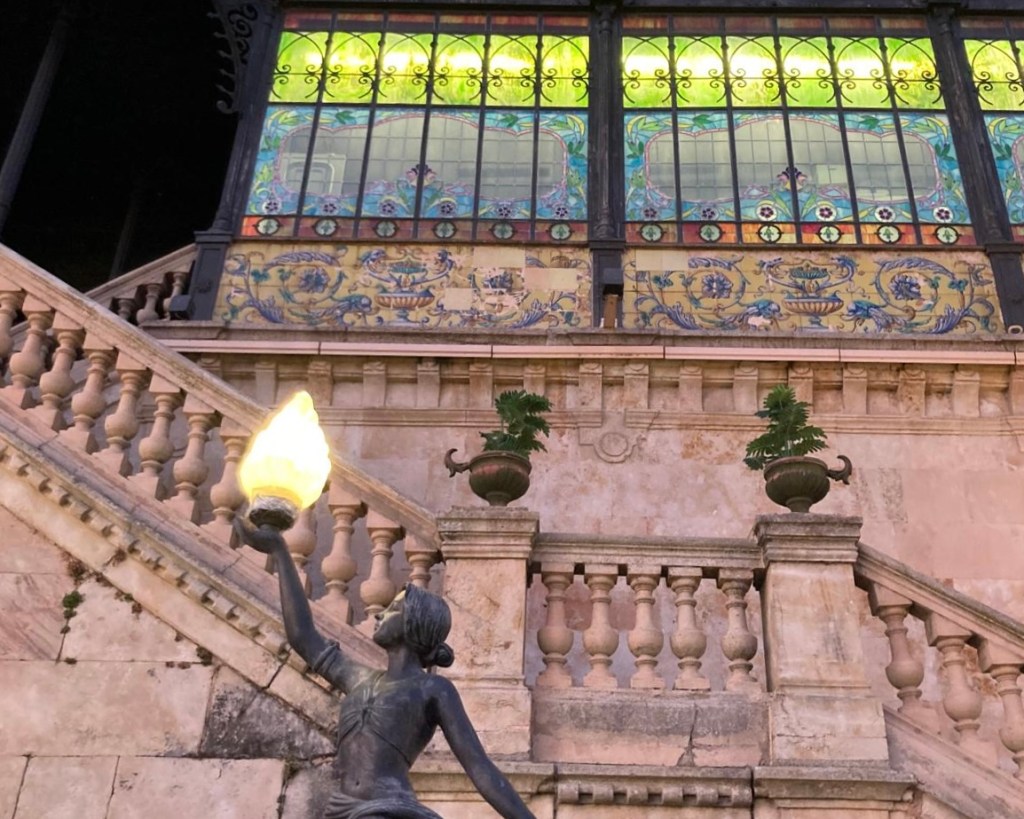
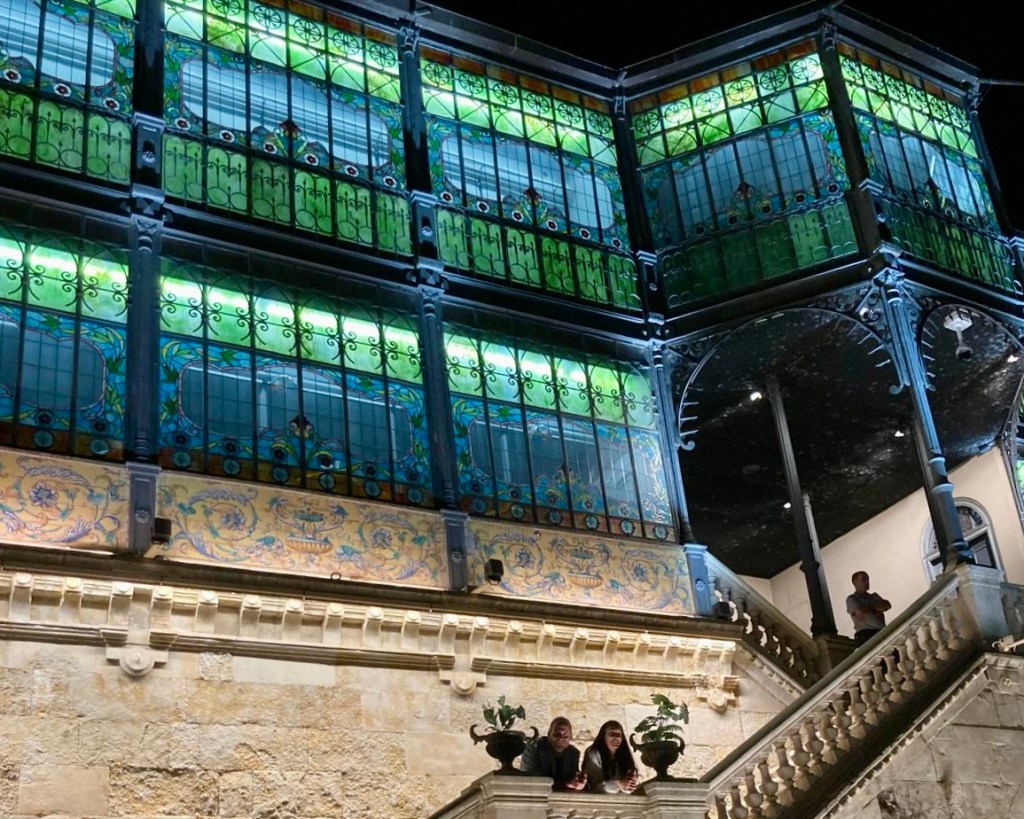
The purpose of our visit to Salamanca was indeed very special. A gathering of people from all corners of the world for a special weekend to celebrate the union of two very special people. The pre-wedding cocktail was the first meet & greet for a wide range of international guests & the best location in town for that was the beautiful Museo de Lis, an art museum in Salamanca dedicated to contemporary art housed in the Casa de las Muertes. The building dates back to the 16th century, showcasing beautiful elements of Renaissance architecture. Its well-preserved façade features intricate stonework, including ornate windows & decorative carvings.

The entrance to the museum is marked by a grand doorway, often adorned with artistic embellishments. This inviting entryway sets the tone for the artistic experience inside. The building’s exterior is made of local sandstone, which has a warm, golden hue that glows beautifully in the sunlight. This characteristic stone is typical of many historical buildings in Salamanca. Inside, the museum features a lovely courtyard that often hosts installations or temporary exhibitions. The courtyard is a serene space, surrounded by the building’s historical architecture, providing a peaceful retreat for visitors. The combination of the Casa de las Muertes’ historical architecture & the contemporary art exhibitions creates a unique visual experience for visitors. The museum serves not only as a space for art but also as a beautiful example of Salamanca’s rich architectural heritage, making it a feast for the eyes both inside and out.
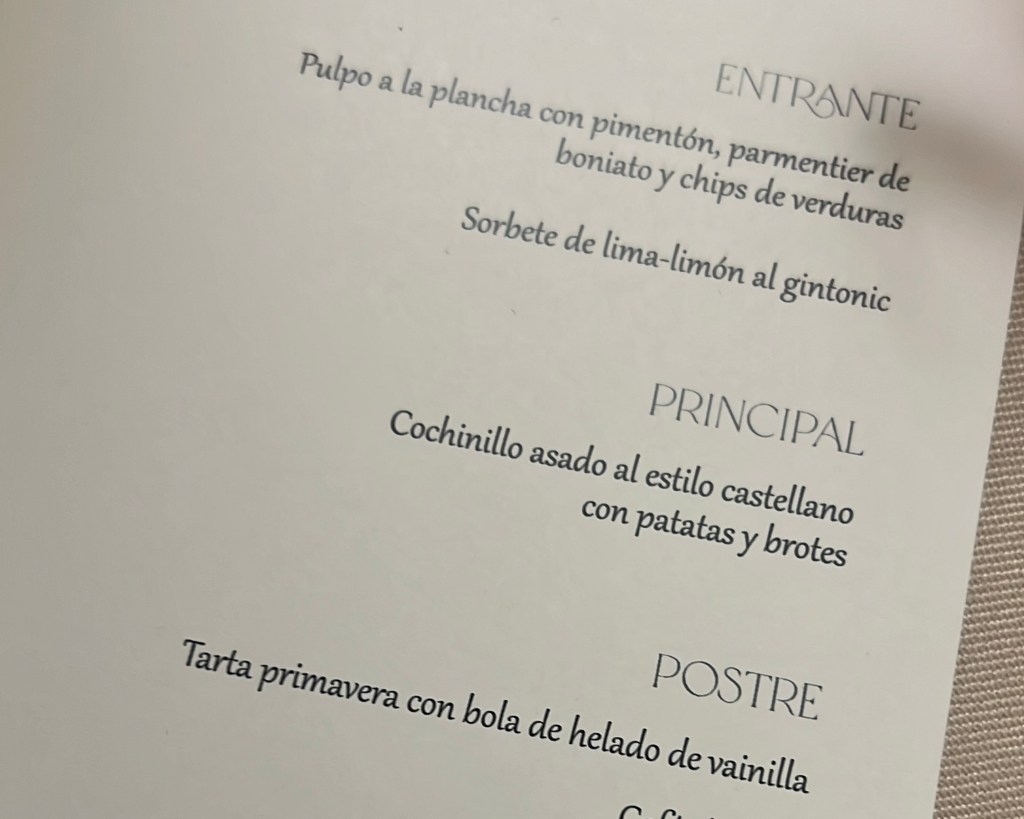
On Saturday, approximately 200 happy guests made their way to the Castillo del Buen Amor (Castle of Good Love), a historic castle located near the town of Monleras, approximately 25 kilometers from Salamanca. It is renowned for its picturesque setting, architectural beauty, and romantic history. The most beautiful spot for a wedding. The castle was originally built in the late 15th century, during the reign of the Catholic Monarchs, as a noble residence. It features a blend of Gothic and Renaissance architectural styles.
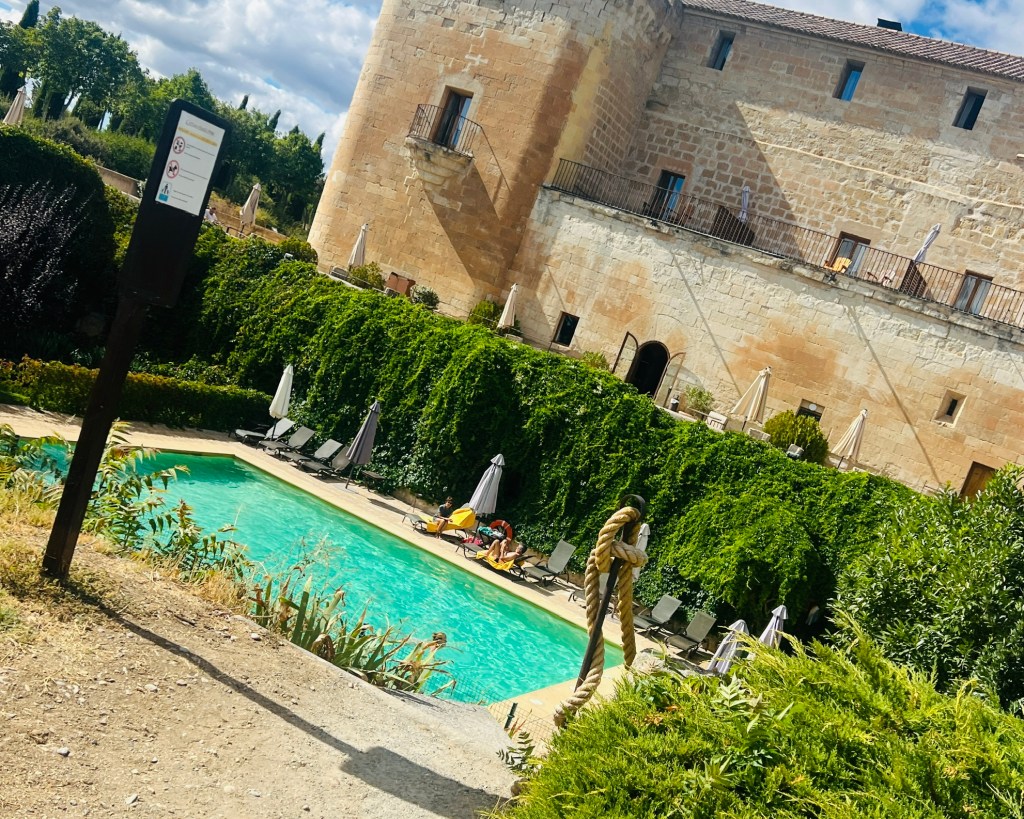

Inside, the castle has been beautifully restored, showcasing a mix of medieval & modern design elements. The rooms are adorned with period furniture, tapestries, & other decorative items that reflect its historical significance. The name “Castillo del Buen Amor” translates to “Castle of Good Love,” & it is associated with romantic legends and tales. The castle is often seen as a symbol of love & chivalry, attracting couples & visitors interested in its romantic lore. The castle also houses a restaurant that serves traditional Spanish cuisine, allowing guests to enjoy a meal in a unique & historical setting.
Visiting Salamanca offers a unique and enriching experience that beautifully blends history, culture, & vibrant academic life. The city’s stunning architecture, exemplified by its landmarks provides a captivating glimpse into Spain’s rich past. As you wander through its charming streets, you’ll encounter a lively atmosphere fueled by the energy of students & locals alike, making it a perfect destination for travelers seeking both relaxation & inspiration. The culinary scene is, of course, another highlight I will always mention.
In the end, Salamanca was not just a destination to me; it was an experience filled with beauty, history, & warmth. I am thankful for the people in my life that make these moments so magical for me, & the opportunities to meet so many more in my many adventures!
 the guten appetit